Best Dog Crate (2026): Wire, Heavy-Duty, and Travel Kennels Compared
The best dog crate is sized to the adult dog, not the puppy photo. Wire crates win for home training. Plastic kennels win when airlines or car trips need a hard shell.
By Nate Brooks
Pawsidepicks is reader-supported. As an Amazon Associate we earn from qualifying purchases. Learn more.
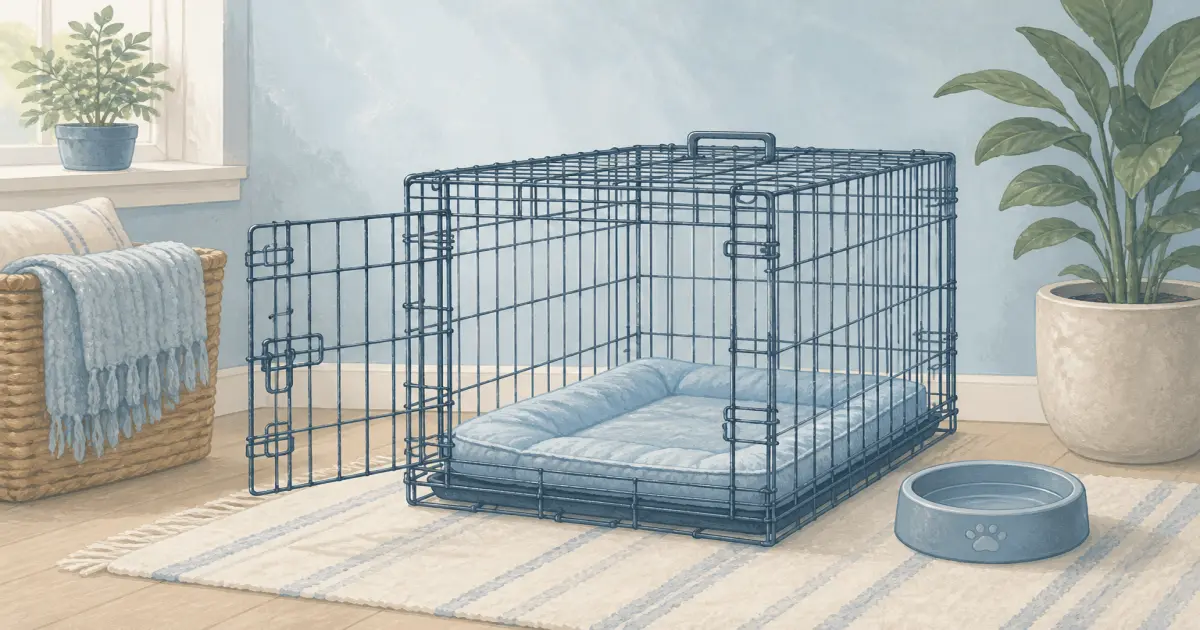
The short answer: For home training, buy a MidWest wire crate sized to the adult dog. The LifeStages by MidWest 42-Inch Double Door Crate is the heavier pick for large breeds. The Midwest 24-Inch Single Door iCrate covers smaller dogs. Choose the Petmate Vari Dog Kennel when you need a hard-sided travel shell.
Our picks
The best dog crate is not the one with the cutest bedding photo. It is the one your dog can stand and turn in as an adult, with latches that survive real anxiety, and a pan you can actually wash. This comparison covers wire training crates and a plastic travel kennel using live US Amazon listings and long review histories.
If your household also runs cats, the litter and feeder guides live at best automatic litter box and best automatic cat feeder.
Wire vs plastic in plain English
Wire crates breathe and fold. Plastic kennels feel more den-like and meet many travel rules. Plenty of dogs own both.
Comparison: MidWest LifeStages vs iCrate vs Petmate Vari
LifeStages by MidWest 42-Inch Double Door Crate uses a heavier wire gauge and dual doors. It is the training pick for large breeds in the 71–90 lb class when you want durability and a divider that shrinks the space for a puppy. Reviews sit around 4.7 stars with tens of thousands of ratings, which is the kind of volume that surfaces real latch and pan feedback.
Midwest 24-Inch Single Door iCrate is the everyday wire crate for smaller dogs. Same basic MidWest pattern: divider, leak-proof pan, fold-flat design. The review count is enormous. Size carefully. An undersized crate frustrates dogs. An oversized crate slows house training if you skip the divider.
Petmate Vari Dog Kennel is the hard-sided travel pick. It is heavier to store, but it is what many car and airline setups expect. Ventilation and a secure door matter more here than fold-flat convenience.
How to measure before you click buy
- Measure your dog standing: floor to top of head or ears, plus a couple of inches.
- Measure nose to base of tail for length.
- Prefer manufacturer adult-weight charts over “breed guess” marketing.
- If you are between sizes, size up and use the divider for puppies.
A crate that is only comfortable for the eight-week photo will be replaced in three months. That is wasted money and another training reset.
Training basics that make the crate work
Feed meals in the crate with the door open at first. Short closed-door naps beat long panic sessions. Never use the crate as angry punishment after a mess. Pair it with calm exits and a consistent potty schedule.
If your dog screams for an hour, you have a training plan problem, not a crate brand problem. Fix duration and enrichment before you buy a third crate.
When heavier gauge is worth it
Buy LifeStages-style heavier wire when your dog already bent an iCrate latch, when you have a powerful adolescent, or when the crate will live in a garage or travel setup that gets knocked around. Everyday calm adult dogs often do fine on the standard iCrate line if the size is right.
Travel notes without the scare tactics
Confirm airline crate rules early. Hardware, size, and absorbent bedding requirements vary. For road trips, strap a plastic kennel or secure a wire crate so it cannot slide. Never leave a dog sealed in a hot car because the crate “keeps them safe.”
Bedding, pans, and the mess reality
Use a washable pad that cannot bunch into a chew toy if your dog shreds fabric. Keep a second pad for laundry day. The leak-proof pan is there for accidents, not as a reason to skip potty breaks.
If urine sits in the pan, rust and smell follow. Wipe the pan when you wipe the floor. That boring habit keeps a 4.7-star crate from smelling like a shelter aisle.
Escape artists and anxious dogs
Dogs that bend latches need heavier wire, better latch discipline, and a training plan, not a prettier Amazon photo. Double-check slide bolts every time you leave. Some owners add a crate-grade clip on the latch for heavy chewers. If your dog still forces doors, talk to a trainer before you escalate to more metal.
Separation anxiety is not solved by a thicker gauge alone. The crate can be part of a plan. It is not the whole plan.
Where to place the crate
Quiet corners beat the middle of a noisy hallway. Dogs still need to see family life enough that the crate does not feel like exile. Avoid direct sun, heating vents, and damp basements. Give enough room to open the door fully so you are not fighting furniture every exit.
In small apartments, a fold-flat MidWest wire crate earns its keep because you can collapse it when guests arrive. Plastic kennels usually stay assembled.
Bottom line
The best dog crate for home life is usually a MidWest wire crate with a divider. Choose the LifeStages by MidWest 42-Inch Double Door Crate for larger, stronger dogs and the Midwest 24-Inch Single Door iCrate for smaller everyday setups. Add the Petmate Vari Dog Kennel when travel needs a hard shell. Size to the adult dog first, then pick the shell type.
Frequently Asked Questions
What is the best dog crate for most homes?
A MidWest wire crate with a divider is the usual answer. Use the LifeStages by MidWest 42-Inch Double Door Crate for larger, stronger dogs, or the Midwest 24-Inch Single Door iCrate for smaller breeds. Choose the Petmate Vari Dog Kennel when travel rules need plastic.
How do I size a dog crate?
Size to the adult dog. Your dog should stand without hitting the top, turn around, and lie on their side. Use the divider while potty training a puppy in an adult-sized crate.
Are wire crates safe for puppies?
Yes when assembled correctly with the pan locked and latches secured. Watch paws on wide wire gaps and move to a different style if your puppy is an escape artist.
Do I need a double-door crate?
Side doors help in cars and tight rooms. A single front door is fine in an open living room.
Should I cover the crate?
A breathable cover can calm some dogs. Never block airflow or use a cover as a substitute for training.
Wire or plastic for airline travel?
Many airlines require a hard-sided kennel that meets IATA-style hardware rules. Confirm your carrier’s crate policy before you fly. Home training can still use wire.