How to Fit an Automatic Litter Box in a Small Space
A small-space automatic litter box needs more than a corner. Leave room for the cat to enter, turn, exit, and for you to empty the waste drawer.
By Alex Turner
Pawsidepicks is reader-supported. As an Amazon Associate we earn from qualifying purchases. Learn more.
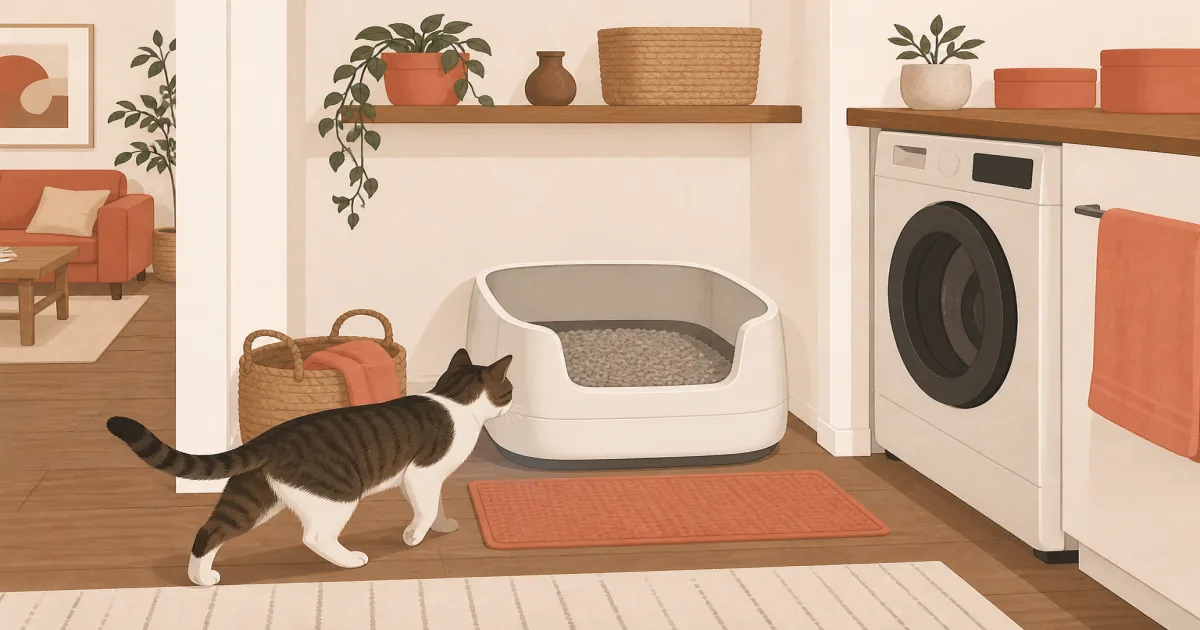
The short answer: An automatic litter box can work in a small home when you measure the operating footprint, not just the product width. Your cat needs a calm entry and exit. You need room to open the drawer, change a bag, and clean the unit.
Our picks
Small apartments make every appliance feel larger. A self-cleaning litter box adds a motor, a waste drawer, a power cord, and a cat who may reject the setup if it feels boxed in. Start with the location before you start comparing features.
We checked the live US Amazon listing and owner feedback for the PETLIBRO Automatic Litter Box with AI-Camera Waste Analysis. It showed 4.1 stars from 145 ratings during our review. We have not tested it ourselves. Its open-top design and app features may suit some homes, but dimensions and waste access decide whether any model fits your room.
Measure the full operating footprint
Measure the floor space for the box, then add the space in front of the entry and wherever the waste drawer opens. Do not assume a unit that fits between a washer and a wall can be emptied there.
Use painter's tape to mark the footprint on the floor. Walk around it. Open the nearby cabinet, washer, or closet door. This simple test exposes problems before a large box arrives on your doorstep.
Leave a few inches around vents and moving parts. Read the manufacturer clearance instructions because some units need room for a rotating drum or a rear power connection.
Give your cat a clear exit
Cats usually prefer a bathroom route that does not feel like a dead end. Avoid placing the entrance directly into a tight corner or behind a door that can swing shut.
An open path matters even more in a multi-cat home. One cat should not be able to sit in a doorway and block the other cat from leaving. If that is a risk, choose another spot or keep a second manual box elsewhere.
For a broader guide to capacity and shared homes, see automatic litter boxes for multiple cats. This small-space setup guide is about room layout, not a second general product roundup.
Choose the location before the product
A laundry nook can work when it stays dry and has enough airflow. A bathroom can work if the floor is level and the door is not regularly closed. A bedroom corner can work if the motor noise will not disturb sleep.
Avoid a hot utility closet, a damp basement corner, or next to a food station. A box needs a stable outlet, but do not run a loose extension cord across a wet floor.
Keep the unit off deep shag carpet unless the manufacturer allows it. Soft flooring can affect sensors and make a machine rock when the cat enters.
Plan for odor and litter tracking
Automatic cleaning helps only when you empty the waste drawer before it is full. In a small home, odors become noticeable sooner. Put a small sealed trash can nearby and set a recurring reminder to check the drawer.
Use a litter mat at the exit, but do not cover the full approach to the box. Your cat needs firm footing. Vacuum or shake the mat regularly so trapped litter does not become another mess source.
Keep the room ventilated. A fan or open door can help, but do not point strong airflow directly into loose litter. That spreads dust.
Introduce the machine slowly
Set the box up according to the manual and leave it off for the first day or two. Let your cat use it as an ordinary box. Once they are comfortable, run a cleaning cycle while you are there.
Watch their reaction. A startled cat may need more time before automatic cycles are enabled. Never force a cat inside. If they stop using the box, return to the manual setup and reconsider the location.
Check the minimum weight and safety guidance. Kittens and very small cats may not trigger sensors reliably. Keep a manual backup box during the transition.
Bottom line
For an automatic litter box in a small space, leave room for the cat, the waste drawer, and your own cleaning routine. The PETLIBRO Automatic Litter Box with AI-Camera Waste Analysis is a research-based, open-top option with verified US listing and review support. Measure first, introduce it slowly, and keep a backup box while your cat adjusts.
Frequently Asked Questions
Can an automatic litter box fit in a small apartment?
Yes, if you measure the whole operating footprint, including the entry, waste drawer, power cord, and the space needed to clean it.
How much clearance does a self-cleaning litter box need?
Follow the brand instructions, then leave enough clear floor for your cat to approach and leave without squeezing past furniture.
Can I put an automatic litter box in a closet?
Only if the closet has airflow, enough room for the door and waste access, and the cat can enter without feeling trapped.
Should the box face a wall?
Leave an open, easy exit. A cat should not have to back out of a narrow gap after the machine cycles.
Are automatic litter boxes good for small cats?
Check the manufacturer minimum weight and keep automatic cycling disabled or supervised until your cat meets it.
Do automatic litter boxes reduce odor in a small home?
Removing clumps quickly can help, but you still need to empty the drawer, clean seals, and ventilate the room.